You plan to host a memorable dinner that would exude distinction and elegance. You look around for exclusive flatware for that dinner to impress the guests with. Your search for premium silverware ends up with two options both labeled “silver” – silver plated silverware and sterling silver silverware. Interestingly, each carries a comparable price tag. Which one to go for?
This is the modern buyer’s dilemma: a choice that looks the same on the surface, in shimmer and in price, making it nearly impossible to ascertain which one will truly stand the test with real value. What is it about a fleet of silver-plated flatware that could price out so close to the price of a fleet of solid sterling silver? Is there any real difference in value, if there is no big difference in price? The answer matters more than you realize — and making the right choice will depend on recognizing an insidious paradox in which price may not always equal value.
🔍 What Is Silver Plated Silverware?
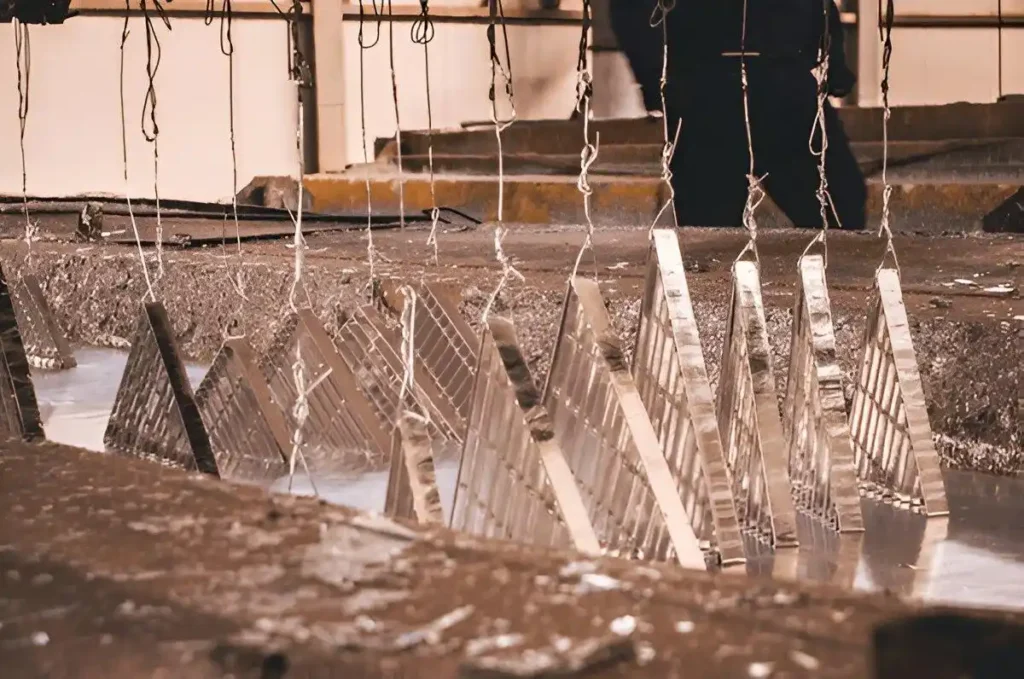
Let’s start with the basics. What is silver-plated flatware? Simply put, it’s an impersonator with a heart of base metal. This is basically the process of giving a coating of precious metal to an object of base metal. Each piece is crafted from a foundation of copper, brass, or nickel silver. Through an electrochemical process, a microscopic layer of pure silver is bonded to this base.
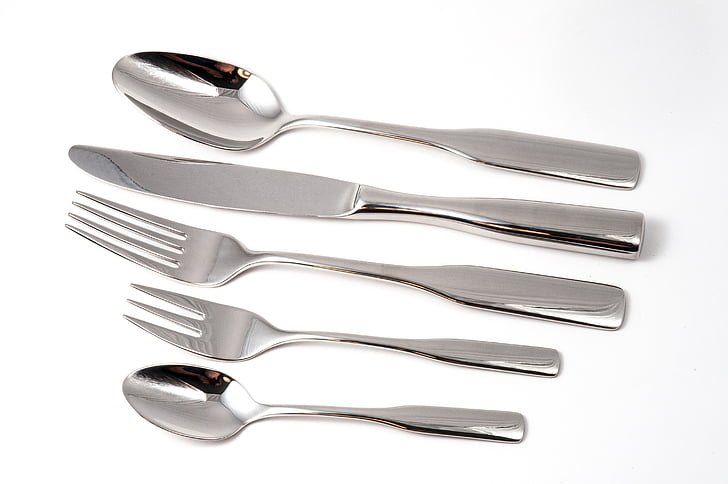
The result is an item that has the brilliant, reflective appearance of silver but lacks the substantial weight and intrinsic material value. Its worth lies almost entirely in its visual appeal and the reputation of its brand, not in the raw materials from which it’s made.
✨ What Is Sterling Silver Silverware?
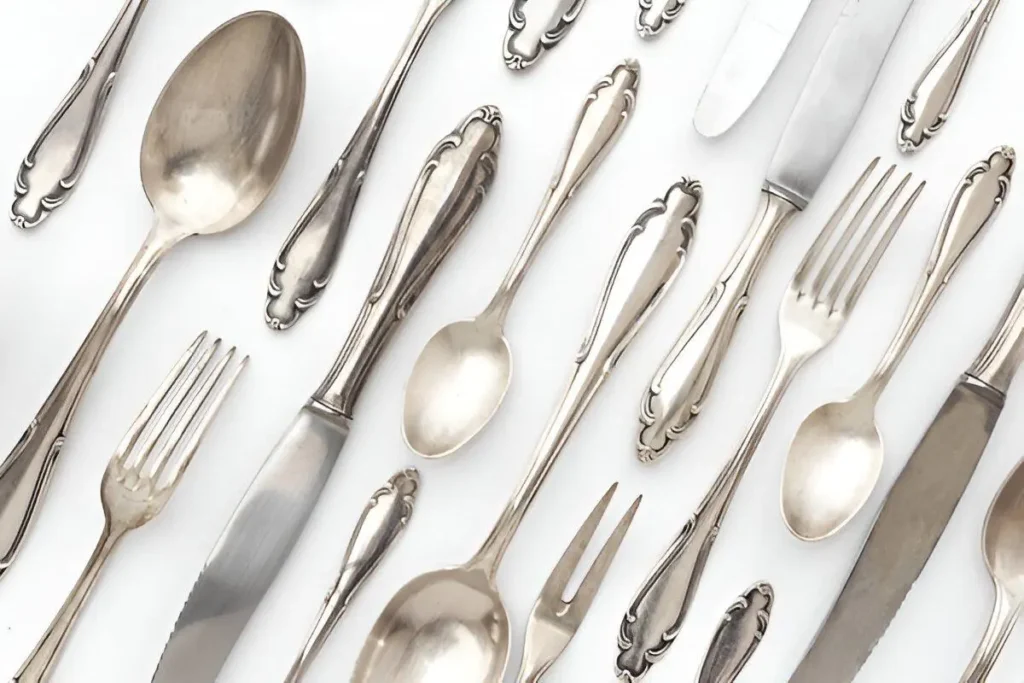
In stark contrast, sterling silver is the genuine article—a solid, precious metal through and through. Its identity is defined by a strict composition: it is 92.5% pure silver, alloyed with a small amount of strengthening metals like copper. This specific standard, often stamped as “Sterling” or “.925,” guarantees both its brilliant luster and its remarkable durability.
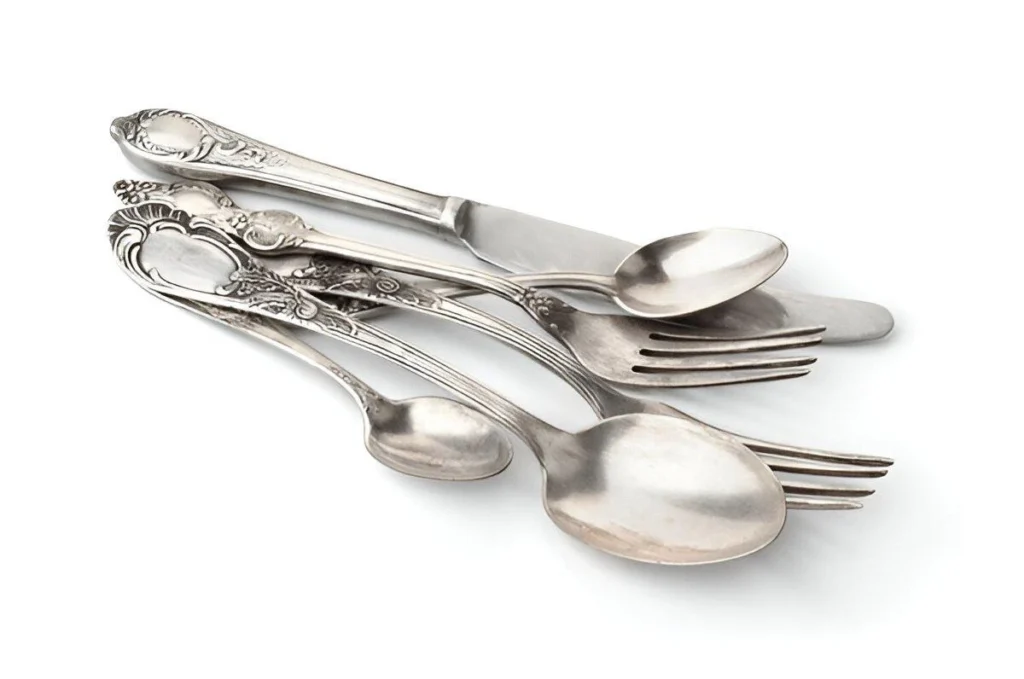
The result is flatware with a substantial, heavyweight feel that promises a lifetime of use. Its worth is inherent, rooted in its precious metal content, making it not just a tool for dining but a store of value and a future heirloom. However, it’s also worthwhile to have a good idea how sterling silver compares with stainless steel. You may like to read this article.
💎 5 Truths Every Buyer Must Know About Plated Silver
Before you input your credit card details, you need to see beyond the shine. Understanding these key differences may completely reshape your perception of value.
1. The “Investment” is an Illusion
You might ask, “Is silver-plated flatware worth anything?” The brutal truth is, very little. Unlike sterling silver, which is a precious commodity with melt-down value, silver plated flatware value is rather negligible in terms of raw materials. The secondary market is harsh; these sets are considered decorative antiques with a rapidly declining buyer pool. While the global flatware market grows, the resale value of individual silver-plated sets plummets. You are buying a depreciating asset from the moment it leaves the warehouse.
2. The Problem of Surface Wear
Think of silver plating like the paint on a car. It’s a beautiful but finite coating. Over years of use—especially with frequent polishing—this thin layer will inevitably wear down, particularly on the raised edges of forks and the bowls of spoons. Once the base metal begins to show through as copper-colored blotches, the piece is permanently compromised. You cannot polish the silver back because it’s simply gone. Restoring it is a complex and expensive professional replating process. Sterling silver, being solid throughout, can be polished and used for centuries without ever wearing out.
3. The High-Maintenance Hidden Life
Don’t be fooled by a “dishwasher safe” tag. To preserve its beauty, silver plated silverware demands a high-maintenance routine. It must be hand-washed and dried immediately after use to prevent water spots and accelerate tarnish caused by harsh detergent and high heat. It requires regular polishing with a specific silver polish to remove black tarnish and needs to be stored in anti-tarnish cloth bags or a lined chest. This isn’t a one-time effort; it’s a perpetual cycle of care that many modern homeowners simply don’t have the time for.
4. The Luxury Brand Trap
This is where the dilemma becomes critical. You might assume sterling silver is always vastly more expensive, but the market tells a different story. High-end brands like Christofle create exquisite silver-plated sets that can cost over $685 for a 5-piece setting. Meanwhile, a brand like International Silver offers a genuine, solid sterling silver 5-piece set for a similar price, around $738. Why the narrow gap?
As a matter of fact, the cost of silver-plated flatware from luxury houses isn’t in the raw materials, but in the brand prestige, sophisticated design, and meticulous craftsmanship. You are paying for a name and an artistic vision applied to a base metal. This creates a staggering paradox: for nearly the same money, you could own a base metal product or a solid precious metal one. The luxury plating brand banks on its name, while the sterling silver offers inherent, timeless value.
5. The Heirloom Test
Ask yourself one simple question: “Do I want to buy flatware that I will use, or am I buying a future heirloom?” Sterling silver is passed down through generations. It tells a family story. A sterling silver spoon can be used by your great-grandchildren. Silver plate rarely survives as an heirloom because its lifespan is limited. It is a product for your table, for your lifetime of occasional use. Sterling silver is an heirloom for your lineage.
📊 The Ultimate Comparison Chart
| Feature | Sterling Silver | Silver-Plated Silverware |
|---|---|---|
| 🧬 Composition | 92.5% pure silver (solid throughout) | Thin silver layer over a base metal (e.g., copper) |
| 💰 Intrinsic Value | High melt value; retains and appreciates over time | Negligible melt value; value depreciates rapidly |
| ⚖️ Weight & Feel | Substantially heavier; feels solid and premium in hand | Noticeably lighter; lacks the heft of real silver |
| ✨ Durability | Can be polished forever; lasts for centuries | Plating wears off over decades; cannot be restored at home |
| 🧼 Care & Maintenance | Requires polishing and hand-washing | Requires diligent polishing, hand-washing, and special storage |
| 💸 The Price Paradox | Higher initial cost, but a store of value | Lower entry cost for some, but a total loss in value over time |
| 🎯 Best For | The discerning investor and heirloom-seeker | The budget-conscious buyer wanting a “look” for occasional use |
🏆 The Final Verdict: Which is the Smarter Choice?
When you hold both types in your hand, the decision becomes clear. The substantial weight of sterling silver speaks of its permanence. Given that premium silver-plated sets now command prices frighteningly close to those of authentic sterling, the choice tilts overwhelmingly in favor of the real thing. This value proposition becomes even more compelling when you consider the market for pre-owned sterling silver. A used set, which can be polished to a brilliant, like-new shine, often represents an even smarter investment than a new silver-plated set at a comparable price.
While silver-plated silverware offers a tempting shortcut to an elegant table, it is a short-term solution for a long-term purchase. Unless it is considered vintage silver plate flatware, it is a product you will eventually replace. Sterling silver, however, is a one-time investment that endures. For the buyer who views their table as a legacy, the durability, intrinsic value, and timeless nature of sterling silver make it the unequivocally wiser and more rewarding choice. Don’t just set your table for tonight; set it for the next hundred years.
🛒 Where to Buy: Explore Top-Rated Silver Flatware
While sterling silver remains the superior long-term investment, you may still want to consider a high-end silver-plated set if your priority is acquiring a specific luxury brand name or a contemporary design that fits your immediate style and budget. Amazon is a reliable platform for your flatware purchase, offering a wide selection and a customer-friendly return policy that makes buying with confidence easy. Below, we’ve highlighted two excellent sterling silver and two renowned silver-plated sets that embody the comparison we’ve discussed.
✨ Sterling Silver Flatware
For those seeking a lifelong investment, these sterling silver sets offer solid value and enduring beauty.
Royal Danish 5-Piece Flatware Place Setting:
Crafted by International Silver, this set is made from solid sterling silver and features a timeless, ornate design. Its substantial weight and polished finish make it a classic choice for formal dining, and it can be passed down as a future heirloom.
Wallace Grande Baroque 5-Piece Place Setting:
A legendary pattern known for its extravagant, sculptural details. This set is the epitome of luxury and is also crafted from solid sterling silver, promising a breathtaking table setting for generations.
🥄 Silver Plated Flatware
For those who desire the prestige of a luxury brand name and exquisite design, these Christofle sets are iconic.
Christofle Malmaison Silver Plated 5-Piece Dinner Setting:
This set boasts a clean, Empire-style design from one of France’s most prestigious silversmiths. The silver plating offers a brilliant shine, creating a modern and sophisticated look for your table.
Christofle Albi Silver Plated 5-Piece Dinner Setting:
Featuring a polished finish and a sleek, contemporary profile, the Albi set is another masterpiece from Christofle. It is designed to be dishwasher safe, offering a blend of high-end style and practical convenience.
Note: As an Amazon Associate, we earn from qualifying purchases. However, you pay the same price whether you use our link or go directly to Amazon.
❓FAQ: Your Questions, Answered
What is silver-plated flatware?
It is flatware made from a base metal (like copper or nickel) that has been coated with a thin layer of pure silver through an electrochemical process called electroplating.
Is silver plated silverware worth anything?
In terms of precious metal content, its value is negligible. Its worth is primarily aesthetic and sentimental, or tied to a luxury brand name. The resale market is very challenging.
Does anybody buy silver-plated flatware?
Yes, but the market is niche. Generally speaking, silver plated silverware value is much lower than that of sterling silver. Buyers are typically individuals looking for a specific vintage pattern to complete a set, not investors or silver refiners. Most “we buy silver” businesses are not interested in plated items.
How to clean silver plated silverware?
Hand-wash with a mild, phosphate-free soap and dry immediately with a soft cloth. For tarnish, use a gentle, non-abrasive silver polish and a microfiber cloth, following the grain of the metal. Always avoid the dishwasher. For a more elaborate procedure, check out the section for silver plated flatware of our general article How to Clean Silverware.
Can you tell the difference just by looking?
Often, yes. Look for hallmarks stamped on the back. “Sterling,” “.925,” or “925” indicates real silver. “EPNS,” “EP,” or “Silver Plate” indicates plating. Over time, worn plating will reveal a different-colored metal underneath.
Can silver plated silverware go in the dishwasher?
Silver-plated silverware can go in the dishwasher if you use a gentle, non-acidic detergent, avoid high-heat drying, and keep it separate from stainless steel to prevent tarnishing or pitting; however, repeated dishwasher use will still wear down the plating, so handwashing with mild soap and immediate drying remains the safest way to preserve its shine.
How to polish silver plated silverware?
For silver‑plated flatware, polishing should be done gently to protect the thin layer of silver: use a high‑quality, non‑abrasive silver polish and apply it sparingly with a soft cotton cloth, working in straight strokes rather than circular motions to avoid uneven wear; once the tarnish is lifted and the surface regains its shine, buff lightly with a clean cloth to finish, taking care not to over‑polish since repeated abrasion can gradually thin or remove the plating.
Where to sell silver plated silverware?
If you spent a sizeable amount on it and now want to sell it for any reason, you naturally have the question: who buys silver plated silverware. Silver plated cutlery sets generally have modest resale value compared to sterling silver, but you can sell it through local antique shops, consignment stores, estate sale companies, or specialized silver buyers who purchase for decorative or collectible appeal rather than melt value. Online platforms like eBay, Etsy, and Facebook Marketplace are also popular options, especially for complete antique silver plated cutlery or vintage silver plated cutlery patterns, while pawn shops and scrap metal dealers may offer quick cash but usually pay only for the base metal content.
Does silver plated silverware tarnish?
Yes, silver plated silverware does tarnish because the thin layer of silver on the surface reacts with sulfur compounds in the air, causing discoloration over time. While it usually tarnishes more slowly than sterling silver, it still requires occasional polishing to restore shine, and frequent use or proper storage in anti‑tarnish cloths can help minimize buildup.
Discover more from Flatware Finesse
Subscribe to get the latest posts sent to your email.